Ritual guide
What Is a Salve? Salve vs. Balm, and How Salves Are Made
Salves are one of the oldest things an herbal kitchen makes: oil, herbs and wax. Here's what they are, how they're made, and how to use one well.
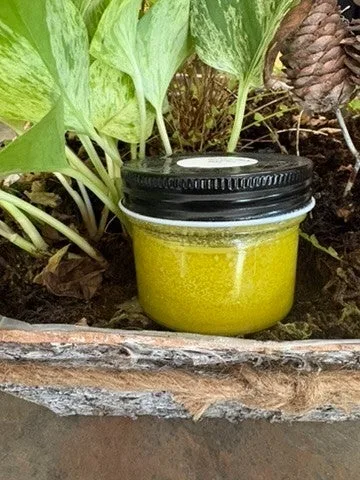
The short answer
A salve is a semi-solid blend of plant oils and wax, usually beeswax, often made with oil that has been slowly infused with herbs or flowers. It contains little or no water, so it's richer and longer-keeping than a lotion. Warm a small amount between your fingertips and press it into dry, rough skin. A salve is a cosmetic moisturizer, not a treatment for wounds or skin conditions.
What is a salve?
A salve is a soft, solid blend of oils and wax. Most herbal salves start with an infused oil: dried herbs or flowers steeped in a carrier oil such as olive or sweet almond until the oil takes on their color and scent. The strained oil is then melted with beeswax (and sometimes a butter such as shea) and poured into tins or jars to set.
Because there's no water in the recipe, a salve sits on the skin as a protective, softening layer. That's why people reach for one for hands, heels, elbows and cuticles that feel dry or rough.
Salve vs. balm vs. ointment vs. body butter
- Salve: oils and wax, softer and easy to spread. Often herb-infused.
- Balm: usually firmer, with more wax or butter, which is why balms come in sticks and tins. Our Pocket Balm Stick is a balm.
- Ointment: in everyday use, a simple oil-based preparation. In pharmacies the word also covers medicated products, so we use it only loosely.
- Body butter: mostly butters (shea, mango, cocoa), often whipped, made for larger areas of skin.
The lines between them are blurry, and makers use the words differently. Read the ingredient list, not just the name.
How is a salve made?
- Infuse the oil. Cover dried herbs or flowers with oil and let them steep, either slowly over several weeks or gently over low heat. Use dried plant material, because fresh plants add water that can spoil the oil.
- Strain. Press the oil out through cloth so no plant bits are left behind.
- Melt in the wax. Warm the oil gently with beeswax. A common starting point is roughly one part beeswax to four or five parts oil by weight. More wax makes it firmer.
- Test the set. Put a spoonful in the freezer for a minute to check the texture, then adjust.
- Add essential oils, if any, once the mixture is off the heat, at low amounts.
- Pour and cool. Fill clean, dry tins or jars and let them set at room temperature.
Our Dandelion Salve follows this pattern: hand-foraged dandelion flowers infused in sweet almond oil, set with shea butter and beeswax, and finished with melaleuca, helichrysum, peppermint and lavender essential oils.
How to use a salve
Warm a small amount between your fingertips until it softens, then press it into dry areas such as knuckles, cuticles, heels and elbows. A little goes a long way. For overnight softening, apply to hands or feet before bed under cotton gloves or socks.
How to store a salve
Keep it cool, dry and out of direct sun. Beeswax salves soften in heat (a hot car will melt them) and firm up again when cool. Use clean, dry fingers so water doesn't get into the tin. Plant oils slowly oxidize, so if a salve starts to smell sharp, stale or like crayons, it's time to replace it.
Safety notes
Patch-test any new salve on your inner arm, especially one with essential oils such as peppermint. Don't apply salves to open wounds, burns or broken skin. For a wound, rash or skin condition, see a clinician. Keep away from eyes.
Frequently asked
Are salves and balms the same thing?
They're close cousins. Both are made from oils with wax or butter. Balms are usually firmer, salves softer and easier to spread.
Can I make a salve at home?
Yes. You need dried herbs, a carrier oil, beeswax and a little patience for the infusion. Getting the texture right takes a few test batches.
What is dandelion salve used for?
Most people use it as a rich moisturizer for dry, rough or chapped skin on hands, heels and elbows. It's a cosmetic, not a medicine.
This guide is general information about cosmetic use, not medical advice. Ask a healthcare provider about any health concern.